
Underbites and Crossbites: How Orthodontists Correct Them in Cincinnati, OH
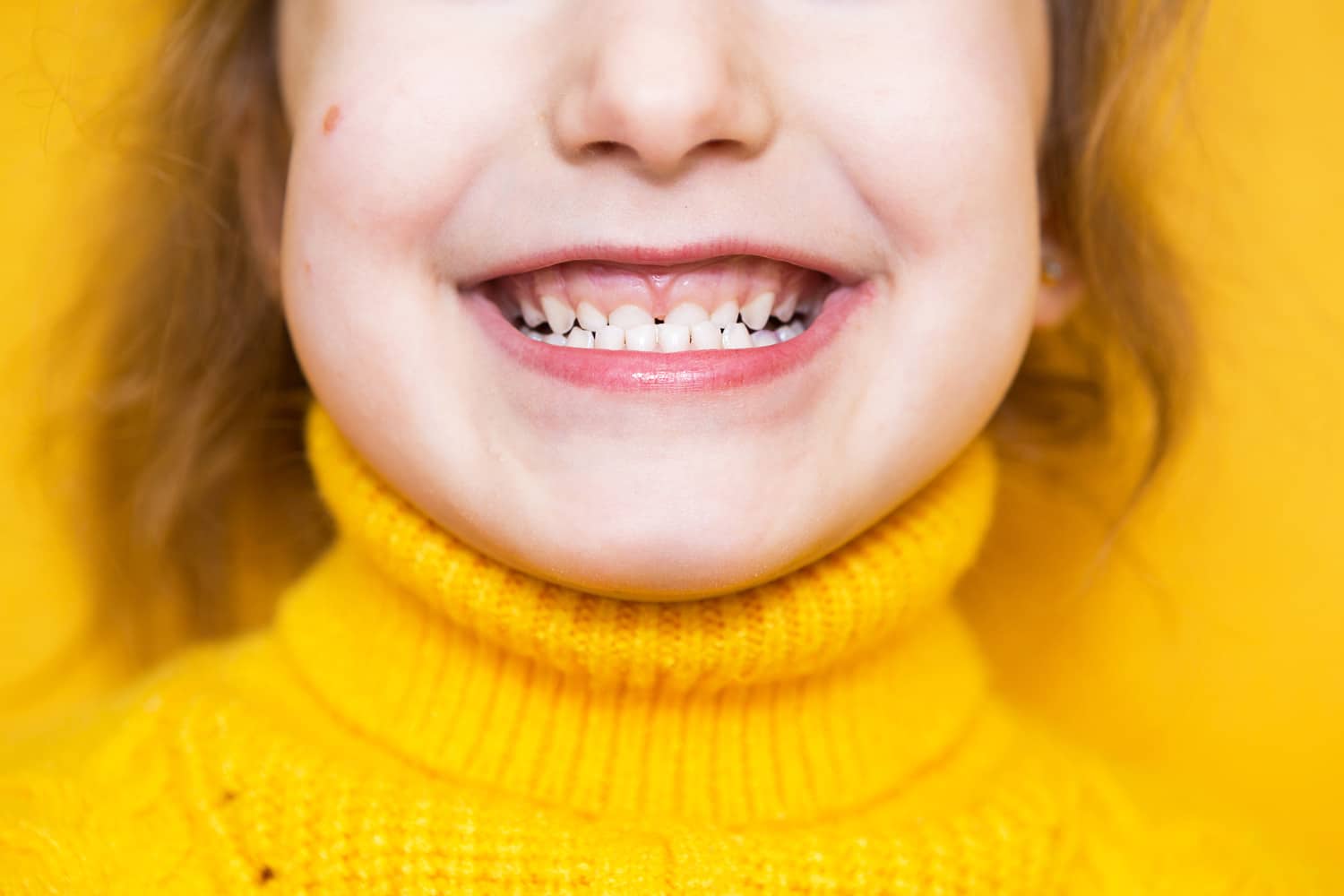
If your child’s lower front teeth close in front of the upper ones, or a few upper teeth tuck inside the lower teeth when they bite, you’re probably looking at an underbite or a crossbite. Orthodontists correct both by changing how the teeth and jaws meet. For children, that usually means an expander, braces, or clear aligners while the jaw is still growing. For adults with a true jaw-size difference, it can mean braces paired with corrective jaw surgery. Families across Cincinnati, OH bring these questions to Northeast Orthodontic Specialists, and the answer almost always starts with one thing: finding out whether the problem sits in the teeth or in the jaw itself.
Both bites fall under malocclusion, which simply means the upper and lower teeth don’t fit together the way they should. An underbite is a front-to-back problem, with the lower jaw or lower front teeth sitting ahead of the upper ones. A crossbite is more of a side-to-side problem, where some upper teeth land inside the lower teeth instead of slightly outside them. Underbite and crossbite treatment matters for more than appearance. A bite that meets in the wrong spot wears enamel unevenly, can push the lower jaw to one side every time a child closes, and adds strain to the jaw joints. A growing jaw responds well to gentle guidance, which is why timing has so much to do with how simple or involved underbite correction turns out to be.
Parents often worry that a bite problem means years of treatment or an automatic surgery referral. Usually it doesn’t. Many crossbites in children are corrected within months using an expander, and plenty of mild underbites respond to braces and elastics alone. Dr. Jacob Stadiem earned his Certificate in Orthodontics and a Master of Science in Oral Biology at the University of Nebraska Medical Center, and at your complimentary first visit he shows you what he sees on the scans and photos before recommending anything. Our iTero scanners capture the bite digitally without goopy impressions, so you can see the problem on screen instead of taking it on faith.
This Article Will Address
- How an underbite differs from a crossbite
- The best age to start correcting an underbite
- What happens when a crossbite is left alone
- When braces can handle an underbite and when surgery comes in
- Typical timelines for crossbite correction
- The appliances and braces orthodontists rely on most
What Is the Difference Between an Underbite and a Crossbite?
An underbite affects the front of the mouth from front to back, while a crossbite affects the bite from side to side and can involve a single tooth or a whole group. Here’s how they compare:
- Underbite: the lower front teeth sit in front of the upper front teeth when you close, often because the lower jaw is long or the upper jaw is short.
- Crossbite: one or more upper teeth bite inside the lower teeth, either in the front of the mouth or along the back teeth.
- Where it starts: an underbite is frequently skeletal, meaning jaw size drives it. A crossbite more often comes from a narrow upper jaw, a tooth erupting out of position, or a long-running thumb habit.
- How it shows: an underbite can make the chin look prominent. A back-teeth crossbite may not be visible at all until you notice the jaw sliding sideways to close.
The two can overlap. When all of the upper front teeth sit behind the lower ones, it’s a front crossbite and an underbite at once. Both are among the most common reasons families start comprehensive orthodontic treatment. If someone in your house has the opposite problem, our article on treating overbites and deep bites covers that side of the bite.
At What Age Should an Underbite Be Corrected?
The best time to start working on an underbite is usually between ages 7 and 10, while the upper jaw is still growing and can be encouraged forward. The American Association of Orthodontists recommends a first orthodontic visit by age 7, and our team likes to see children once the six-year molars and front permanent teeth begin coming in.
Early correction works because a child’s upper jaw still has open growth sites. An orthodontist can widen it with an expander or coax it forward with a reverse-pull face mask before those sites settle down in the teen years. Wait until growth ends, and the same skeletal underbite often can’t be corrected without surgery. That doesn’t mean every 7-year-old with an edge-to-edge bite needs an appliance tomorrow. Some children just need to be watched, and early orthodontic treatment at our practice starts with deciding whether to act now or keep an eye on growth for a while.
Is a Crossbite Bad if Left Untreated?
Yes. An untreated crossbite tends to cause problems that build over time, even when it doesn’t hurt. Because the teeth meet in the wrong place, the jaw adapts in ways it shouldn’t. Common effects include:
- Uneven wear and chipping on the teeth caught in the crossbite
- A lower jaw that slides to one side to close, which can lead to lopsided growth in children
- Gum recession around lower front teeth that get pushed outward
- Jaw joint soreness, clicking, or headaches from an off-balance bite
In children, that sideways jaw shift is the biggest concern, because a jaw that grows while shifted can settle into an uneven pattern. In adults, the damage moves slower and mostly shows up as wear and gum changes. A single tooth in crossbite may seem minor, but the fix is far simpler before the wear starts.
Can Braces Fix an Underbite Without Surgery?
Often, yes. Braces can correct an underbite without surgery when the problem comes mostly from tooth position or when the jaw difference is mild. Braces tip the upper front teeth slightly forward and the lower ones slightly back, and elastics stretched between the upper and lower braces pull the bite into a better relationship. Clear aligners can handle some of these milder cases too.
Surgery enters the picture when the lower jaw is significantly longer than the upper jaw and growth has finished. Teeth can only move so far inside the bone, and pushing them past that limit creates a result that tends to slip back. For those adults, we work with oral and maxillofacial surgeons to coordinate orthognathic surgery, where braces line up the teeth first and the surgeon repositions the jaw. Dr. Stadiem will tell you plainly which group your bite falls into, so you aren’t left guessing whether surgery is on the table.
How Long Does It Take to Fix a Crossbite?
A crossbite in children can often be corrected in about 6 to 12 months, while an adult crossbite usually takes 12 to 24 months as part of full braces or aligner treatment. The difference comes down to bone. In children, an expander widens the upper jaw by gently separating it along the growth seam in the roof of the mouth. The active widening takes only a few weeks, but the appliance then stays in for several months so new bone can fill in and hold the width.
Adults don’t have that open seam, so a back-teeth crossbite is usually corrected by moving the teeth themselves, and a severe jaw-width problem may need surgical help. A single front tooth in crossbite is often the quickest of all, sometimes a few months with braces on a handful of teeth. Wearing elastics as directed and keeping appointments on schedule shortens every one of these timelines.
What Treatments Do Orthodontists Use for Underbites and Crossbites?
The right tool depends on age and on whether the teeth or the jaws are the source of the problem. These are the options orthodontists use most, roughly in the order they come up as a patient grows:
- Expanders for children with a narrow upper jaw, the most common cause of back-teeth crossbites
- Limited braces on a few teeth to flip a single front tooth out of crossbite
- Full braces, including metal, ceramic, and LightForce 3D-printed brackets, to fine-tune tooth position in teens and adults
- Elastics that connect the upper and lower braces to adjust the front-to-back relationship
- Clear aligners for mild crossbites and dental underbites in patients who want a removable option
- Braces combined with jaw surgery for adults with a significant skeletal underbite
Most patients use two or more of these in sequence, such as an expander at age 8 followed by braces as a teen. You can browse the orthodontic services we offer to see each option in more detail.
Schedule Your Underbite or Crossbite Evaluation with Our Team
Whether you’ve spotted your child’s jaw shifting when they bite or you’ve lived with an underbite for years, one visit will tell you what you’re dealing with. Northeast Orthodontic Specialists is welcoming new patients at our Blue Ash and Loveland offices, and your first consultation is complimentary. Dr. Stadiem will look at your bite, explain whether it’s a tooth or jaw issue, and lay out a plan in plain terms. Book online or call 513-793-4770 to set up a visit that fits your family’s schedule.
Sources